Skin Longevity: The Four Pillars of Preventive Skincare
Aging is an inevitable and complex biological process. For decades, traditional skincare centered around the concept of anti-aging which consists of having a reactive approach to aging skin and trying to reverse the effects of aging such as wrinkling, hyperpigmentation and sagging after it already happened.
However, Skin Longevity marks a fundamental shift. As outlined in the Journal of Drugs in Dermatology, transitioning to a longevity mindset means moving away from reactive damage control to proactively limiting cellular fatigue. It treats the skin as an organ which can be continuously preserved and optimized. As we explored in our article that explains the differences between Anti-Aging and Skin Longevity, transitioning to a longevity mindset means shifting your focus from short-term damage control to long-term biological support.
Whether your goal is to prevent premature structural decline or support your skin through its natural physiological transitions, a longevity routine provides your skin with the daily resources it needs to remain healthy, resilient, and naturally radiant at every stage of life.

How Skin Ages: Intrinsic and Extrinsic Factors
To effectively preserve skin health over time, we must first understand how and why the skin ages. Covering 1.5 to 2 square meters of surface area and accounting for up to one seventh of total body weight (Institute for Quality and Efficiency in Health Care (IQWiG)), the skin is our primary interface with the external world. It undergoes two distinct forms of aging: intrinsic (chronological) and extrinsic (environmental).
| Intrinsic Aging (Genetics & Time) | Extrinsic Aging (Environment & Life) |
| Declining Cell Turnover | UV Radiation (Photoaging) |
| Decreased Collagen (~1% per year) | Pollution & Particulates |
| Thinning Dermis / Epidermis | Free Radical Generation |
| Compromised Lipid Barrier | Inflammation |
Intrinsic aging is an unpreventable process dictated by genetics and natural physiological time. According to the National Institute on Aging, these fundamental cellular functions begin to naturally slow down as we age:
Fibroblasts, which are the primary cells responsible for synthesizing collagen, elastin and extracellular matrix, reduce their activity; this leads collagen production to decrease by approximately 1% every year.
Cellular turnover slows from a 28-day cycle to a 45+ day cycle, which leads to a thinner epidermis and a slower rate of wound healing and self-repair.
The natural synthesis of essential lipids declines as well, increasing the risks of Transepidermal Water Loss (TEWL) referring to the evaporation of water through the epidermis, which can significantly impact skin hydration and health.
On the other hand, extrinsic aging constitutes up to 80% of visible skin aging. Unlike intrinsic aging, extrinsic damage is largely controllable and cumulative. The key environmental drivers include Ultraviolet Radiation (UV-A & UV-B) that penetrate deep into the dermis. Extended exposure to UV rays can lead to serious health concerns such as damaging DNA in skin cells, breaking down the proteins that keep skin firm, and activating an inflammatory response you experience as sunburn.
Similarly, environmental pollution and particulates penetrate the skin’s surface and induce oxidative stress, triggering hyperpigmentation, uneven tone and barrier compromise.
Inflammation can be triggered by recurring environmental stressors, accelerating cellular aging, causing rapid degradation of healthy tissue.

The Four Pillars of the Skin Longevity Approach
Everything above describes what happens to skin over time. What follows is what you can do about it, in four actions that run from the outside in.
Shield. Block what can be blocked before it ever reaches the skin.
Neutralize. Disarm what gets through anyway, inside the skin, where filters cannot reach. Reinforce. Hold the barrier together so the structure stays intact and hydrated.
Regenerate. Support the skin's own capacity to rebuild, from collagen synthesis to cellular turnover.
The first two answer extrinsic aging, the environmental damage you can control. The last two answer intrinsic aging, the processes that slow down with time. None substitutes for another, because each intervenes at a different point in the same sequence.
1. Daily Sun Protection and Photoaging
Ultraviolet radiation accounts for the majority of what we recognize as aged skin, and it does so through two different wavelengths with two different behaviors.
Research from Harvard Health explains that UVB makes up a smaller percentage and is the primary cause of sunburns. It is absorbed in the upper layers and damages cellular DNA directly. Its intensity rises and falls with the season, the hour and the cloud cover, which is why most people intuitively associate sun protection with summer.
UVA is the one you do not notice, and it is the reason that intuition fails. It penetrates deep into the dermis where collagen and elastin are built and stored, and its intensity is far less variable than UVB through the day, across seasons and through cloud cover and window glass. It produces no immediate sensation whatsoever. The damage registers years later as loss of firmness, fine lines and uneven pigmentation, which makes it the single most underestimated driver of visible skin aging.
This is what makes a broad-spectrum SPF the highest-return step in a longevity routine, and why it belongs in your morning routine every day. As highlighted by MD Anderson Cancer Center, sunscreen filters work by either absorbing or reflecting UV energy before it reaches the structures that hold your skin together. This means every application is collagen you do not have to rebuild later. Learn more about the effects of UV rays on the skin.
2. Antioxidant Defense Against Free Radicals
As explained by the Department of Biochemistry and Molecular Biology, Pondicherry University, free radicals are unstable molecules produced whenever your skin meets UV light, urban pollution or simply carries out its own metabolism. Each one is missing an electron, and it takes that electron from whatever is closest: a lipid in your barrier, a protein, a strand of cellular DNA. One radical creates the next, and the chain reaction that follows is what we call oxidative stress.
According to clinical reviews published by Anais Brasileiros de Dermatologia, this oxidative stress leaves its mark everywhere at once: on the collagen that holds your skin firm, on the lipids that keep your barrier sealed, and on the pigmentation that surfaces years later as dark spots and dullness.
This is where sun protection reaches its limit. Sunscreen blocks radiation at the surface, but pollution, and incidental exposure still generate radicals inside the skin, and nothing at the surface can reach them. Antioxidants work on that second front: Vitamin C, Vitamin E and polyphenol-rich botanical extracts donate the missing electron themselves, stopping the chain reaction before it damages the structures around it. They work best together, since each neutralizes a different family of reactive molecules and Vitamin E regenerates once Vitamin C is present to restore it.

3. Skin Barrier Repair and Hydration
Your skin barrier is a physical structure: layers of flattened cells held together by a matrix of ceramides, cholesterol and fatty acids, arranged in a pattern usually described as bricks and mortar. The cells are the bricks, the lipids are the mortar, and everything the barrier does depends on that mortar staying intact.
When it is, water stays where it belongs and irritants stay outside. When it thins, water escapes continuously through the surface, a process called transepidermal water loss (TEWL), and the same gaps let allergens and pollutants in. This is why compromised skin feels tight and reactive at the same time.
Aging works directly against that mortar. Lipid synthesis slows progressively, from mid-adulthood onward, the epidermis thins, and the skin's natural moisturizing factors decline, so the barrier becomes measurably more permeable with each passing decade. The consequences reach beyond comfort: dehydrated skin exfoliates unevenly, repairs itself more slowly, and reacts to stressors it once tolerated without difficulty.
The correction is not simply more water. Humectants like glycerin and hyaluronic acid draw moisture into the upper layers, but without lipids to hold it there, that water evaporates and the skin ends up drier than before. Restoring the barrier means supplying both: water to fill it, and lipids to seal it. Botanical oils are particularly well suited to the second role, since their fatty acid profiles are recognized by the skin and integrate into the existing lipid matrix.
4. Collagen Production and Skin Firmness
Collagen is the scaffolding of your skin. It accounts for roughly 70% to 80% of the dermis by dry weight and gives skin its density and both are produced by fibroblasts. From our mid-twenties, they progressively slow down: collagen synthesis declines by around one percent each year, and the fibers already present degrade faster than they are replaced.
The visible result is not only wrinkles. As the skin thins, the surface loses the even structure that reflects light uniformly, which is what we perceive as dullness.
Two forces work against fibroblasts at once. Time slows their output, and oxidative stress activates the enzymes that break down existing collagen fibers, which is why the antioxidant pillar and this one are inseparable: protecting the collagen you already have matters as much as building more.
Supporting production means giving fibroblasts both the signal and the material. Peptides act as messengers, short amino acid chains that instruct fibroblasts to synthesize new collagen. Essential fatty acids supply the raw material for cellular repair, and Vitamin C is a required cofactor in collagen synthesis itself, without which the reaction simply cannot complete. Low-molecular Vegan PDRN has drawn particular attention in this category and now exists in plant-derived form.

What Makes a Longevity Formula
These four pillars have one thing in common: none of them works as an event. Filters have to be reapplied, antioxidants are consumed as they neutralize, lipids are replaced continuously, and fibroblasts respond to sustained signaling. Longevity is a set of conditions you maintain over time.
A Longevity routine only delivers if you can sustain it. That single constraint governs how we formulate at BEIGIC: a product has to be active enough to earn its place in your routine, and pleasant enough to make the daily gesture something you look forward to, which is why texture and sensory experience are formulated with the same rigor as the actives.
Our formulas are entirely vegan and built around plant-derived actives, and every ingredient has to clear two conditions we refuse to trade against each other: a solid safety and tolerance profile, and measurable activity on the skin.
Additionally, they go through dermatological testing to confirm how they behave on sensitive skin, and clinical evaluation.
Your Skin Longevity Routine, Step by Step
The four pillars are not four products. Some steps answer a single pillar, others cover two at once, and the barrier receives the most attention because everything else depends on it.
Here is the order in which they apply, with the pillar each one serves.

Step 1: Cleanse with the Aromatic Face Cleanser
Cleansing sets the condition of everything that follows. Our Aromatic Face Cleanser is built on micellar water, lifting impurities, excess oil and makeup residue without disrupting the lipid matrix underneath. Green Coffee Bean and Avocado Oil replenish as it cleanses, so skin is left comfortable. Formulated without sulfates or silicones, it suits sensitive skin and daily use.
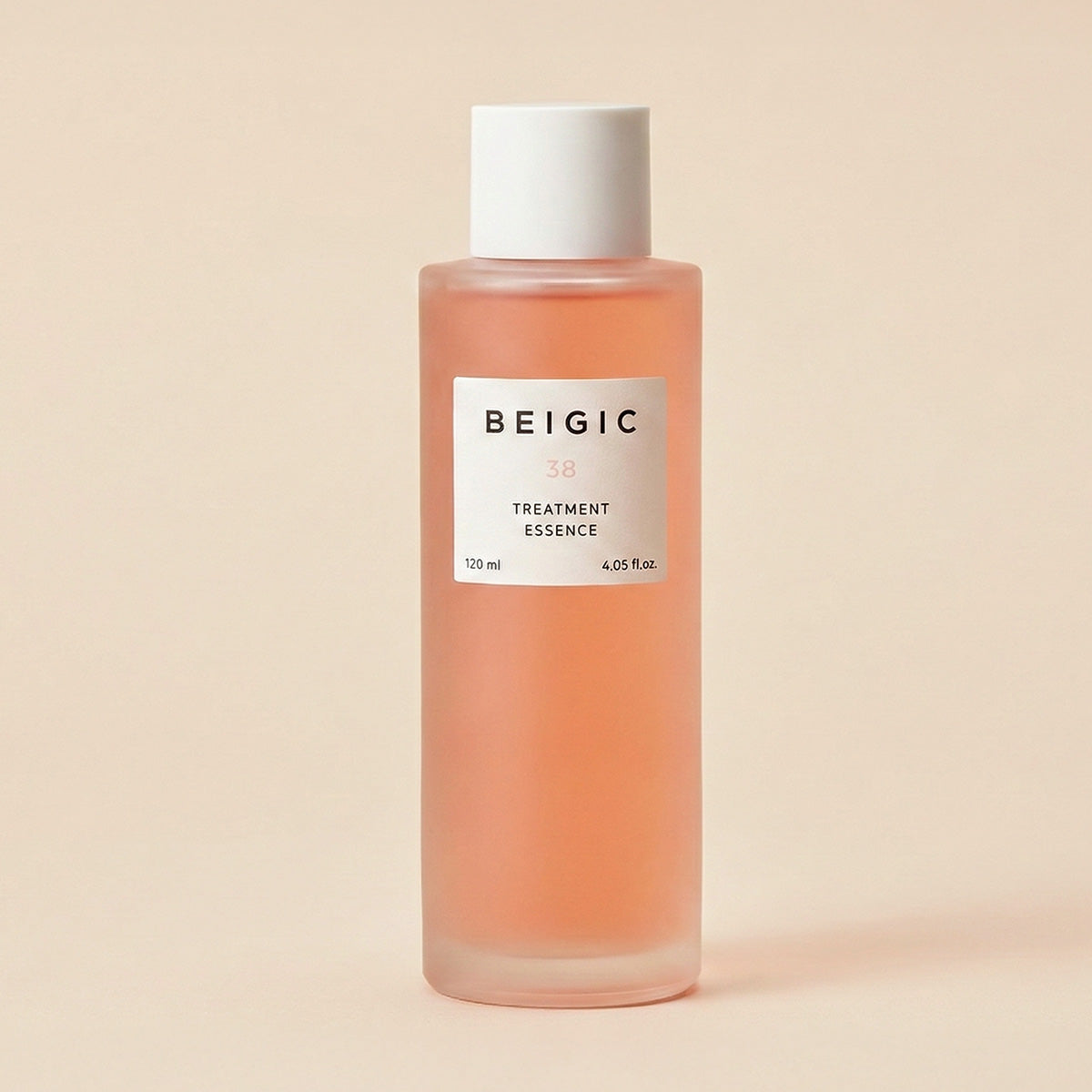
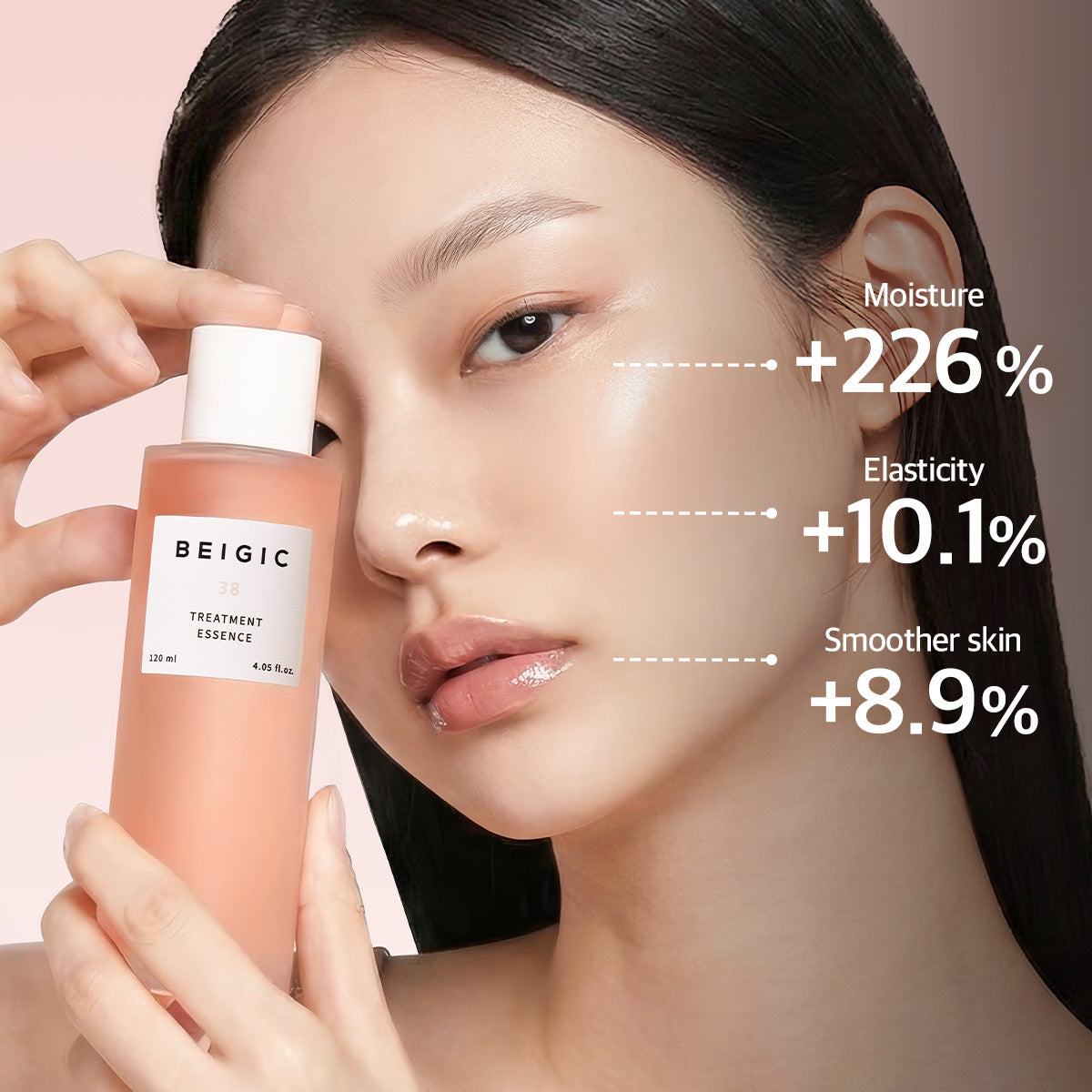
Step 2: Hydrate with the Treatment Essence
Dehydrated skin repairs itself slowly and reacts easily, which makes hydration the foundation of a routine.
Applied immediately after cleansing, the Treatment Essence delivers watery hydration into the upper layers and preps the skin. Its texture is built for layering, so it can be pressed in two, three or five times depending on what the day asks for, each layer adding hydration without weight.
Beyond hydration, it carries brightening niacinamide, our signature Green Coffee Bean Oil, and a blend of six vegan peptides that signal fibroblasts to synthesize new collagen, which is what places this step on the fourth pillar as well as the third.
Step 3: Neutralize with the Vitamin C Active Capsule
To target oxidative stress directly, this step acts as an intensive booster that can be integrated daily or used conditionally during high-pollution periods.
Vitamin C degrades on contact with air and water, which is why most serums get weaker and become less effective. Our answer is to keep it dry. Each Vitamin C Active Capsule holds a single freeze-dried dose of 40% pure Vitamin C and 16% Niacinamide, sealed until the moment you use it, then activated with a few drops of Treatment Essence in your palm.
That concentration is what makes the difference on pigmentation, where clinical evaluation of the formula measured a 41.7% reduction in dark spot surface. Vitamin C works to scavenge the free radicals that degrade collagen and drive uneven tone, and it acts as a required cofactor in collagen synthesis itself.

Step 4: Seal with the Lucent Oil
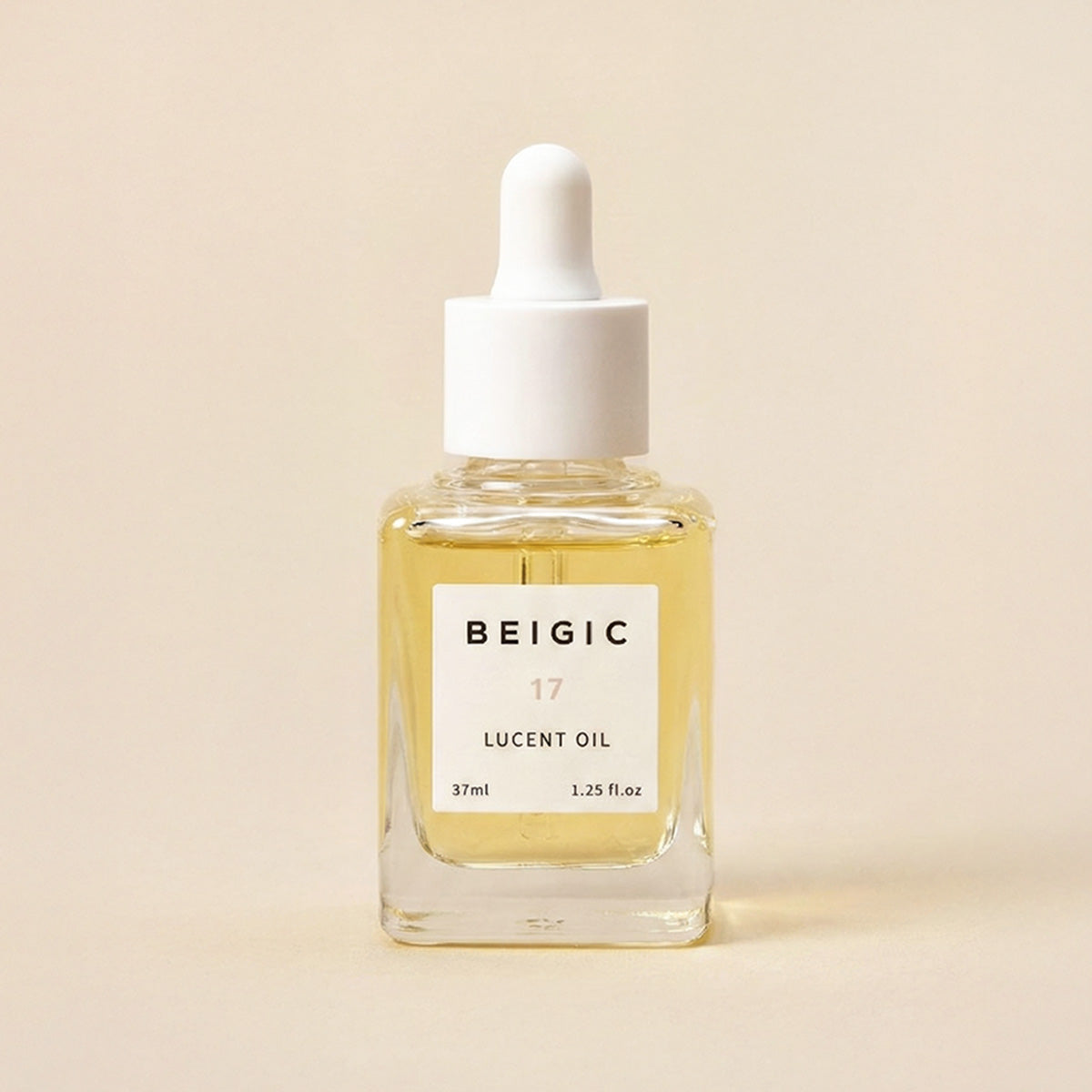
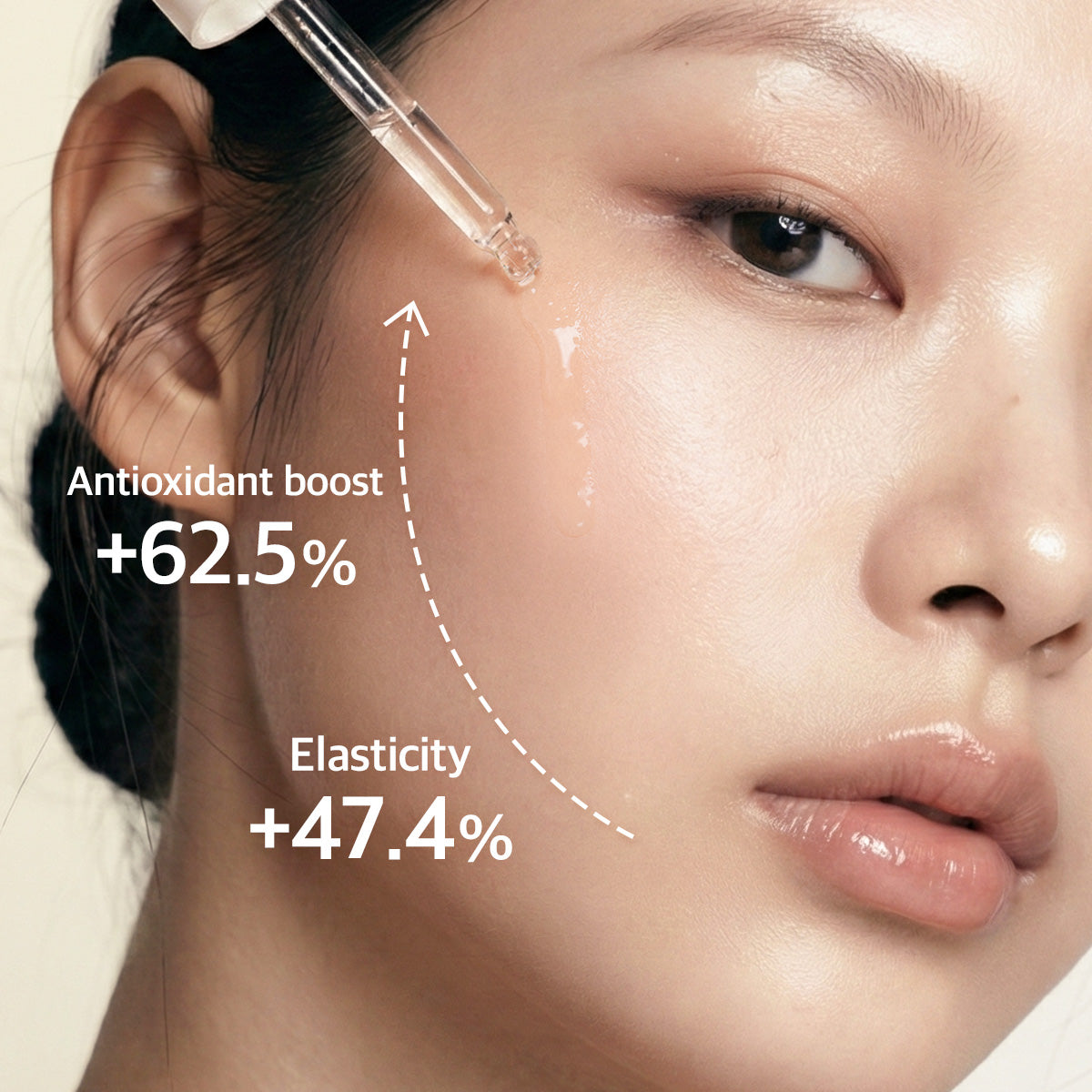
The Lucent Oil has the highest concentration of cold-pressed Green Coffee Bean Oil in the BEIGIC range, layered with camellia and rosehip for elasticity, and argan, jojoba and squalane for the emollient base that keeps water where it belongs. Despite that density of oils, the texture is unusually light and fast-absorbing. A few drops seal in the hydration from the essence and hold a continuous layer of antioxidant defense across the day and night.

Step 5: Restore Density with the Enhanced Firming Cream
Water alone evaporates, so the barrier needs a richer lipid layer to stay sealed over the following hours. The Enhanced Firming Cream supplies that, with ceramides reinforcing the barrier structure, panthenol replenishing moisture, and madecassoside supporting regeneration. It is also the step where the fourth pillar becomes concrete: low-molecular vegan PDRN and eight vegan peptides signal fibroblasts to rebuild collagen and elastin, working on density rather than surface appearance. Clinical evaluation of the finished formula measured a 157.6% increase in hydration and an 18.1% improvement in firmness. The texture is rich but melts on contact, which is what makes a cream this active comfortable enough for daily use.
Step 6: Protect with the Revitalizing CE Sunscreen
This is the step that protects the work done by the five before it, and the one with the highest return of the entire routine. The Revitalizing CE Sunscreen delivers SPF 50+ PA++++ against both UVB and the UVA that drives most of what we recognize as aged skin, in a fluid texture that behaves like a hydrating essence rather than a sunscreen: it sinks in without heaviness, leaves no white cast, and sits comfortably under makeup. It is gentle enough to apply close to the eye area without stinging, which matters more than it sounds, since the skin around the eyes is where photoaging shows first and where most people skip. Squalane and Green Coffee Bean Oil hydrate as the filters work, while Vitamin C and Vitamin E cover the second front: the filters intercept UV energy at the surface, the vitamins neutralize the free radicals that incidental exposure still generates underneath. Reapply every two hours for continuous protection, and the four pillars are covered from morning to night.

Skin Longevity Is a Daily Practice:
The four pillars are not a hierarchy. Photoprotection blocks what can be blocked, antioxidants neutralize what gets through, barrier support holds the structure together, and collagen support sustains what lies underneath. What they share is that none of them is ever finished: filters wear off, antioxidants are consumed as they work, lipids are lost and replaced continuously.
Skin Longevity asks what you can maintain, and it asks for consistency, gentle formulas, and a routine short enough to survive.
Frequently Asked Questions:
What is the difference between skin longevity and anti-aging?
Anti-aging is corrective. It targets wrinkles, dark spots and loss of firmness once they are visible. Skin longevity is preventive: it treats skin as a living organ and focuses on the daily conditions that keep it functioning well, so that less correction is needed later. The difference is timing, not ambition.
At what age should I start a skin longevity routine?
Earlier than most people assume. Fibroblast activity begins to slow from the mid-twenties, and the environmental damage that accounts for most visible aging is cumulative from childhood onward. That said, no starting point is too late: the barrier can be restored and fibroblasts remain responsive to signaling at any age.
Do I still need an antioxidant if I wear SPF 50+ every day?
Yes, because the two work in different places. Sunscreen intercepts UV energy at the skin's surface, while free radicals are also generated inside the skin by pollution, by incidental exposure and by normal cellular metabolism. Antioxidants act on those, where a surface filter has no reach.
Can a gentle routine really match strong treatments?
It depends on what you mean by strong. Peels work by subtraction, removing part of the surface so that the layer beneath is exposed, with inflammation and a temporarily open barrier as the price. A longevity routine works by addition, supplying the skin with what it needs to build, and it can do so at high concentrations. The variable that matters is mechanism, not intensity.
How long before I see results?
Hydration and comfort shift within days, since the barrier responds quickly. Tone and clarity typically follow over 28 days, roughly one full renewal cycle. Firmness and density take longer, because collagen is built slowly, and this is where consistency does the work that intensity cannot.
Sources:
- Binić I, Lazarević V, Ljubenović M, Mojsa J, Sokolović D. An overview about oxidation in clinical practice of skin aging. Anais Brasileiros de Dermatologia (via PubMed Central). 2013.
- Transitioning from anti-aging to skin activation: limiting cellular fatigue and senescence for skin longevity. Journal of Drugs in Dermatology (JDD)
- Skin Care and Aging. National Institute on Aging (NIH)
- Harvard Health Publishing, Harvard Medical School. Sun protection: Appropriate sunscreen use
- Department of Biochemistry and Molecular Biology, Pondicherry University. Free Radicals: Properties, Sources, Targets, and Their Implication in Various Diseases
- Cologne, Germany: Institute for Quality and Efficiency in Health Care (IQWiG); 2006. In brief: How does skin work? (Via NCBI)
- Gina Van Thomme & Kellie Bramlet Blackburn, UT MD Anderson. How does sunscreen work? Understanding UV protection