Skin Chronobiology
Skin chronobiology involves providing our skin with the right care at the right time. Indeed, our skin follows a circadian rhythm, a biological cycle of approximately 24 hours. Skin cells can detect changes in light and adapt their behavior accordingly throughout the day. Let's focus on the biological phases of our epidermis.

1. Skin in the Morning
In the morning, cell activity and hydration are at their lowest while cortisol levels are elevated. The skin tends to be more sensitive during this time. It requires gentle care, hydration, and protection from external aggressions.
Our Advice
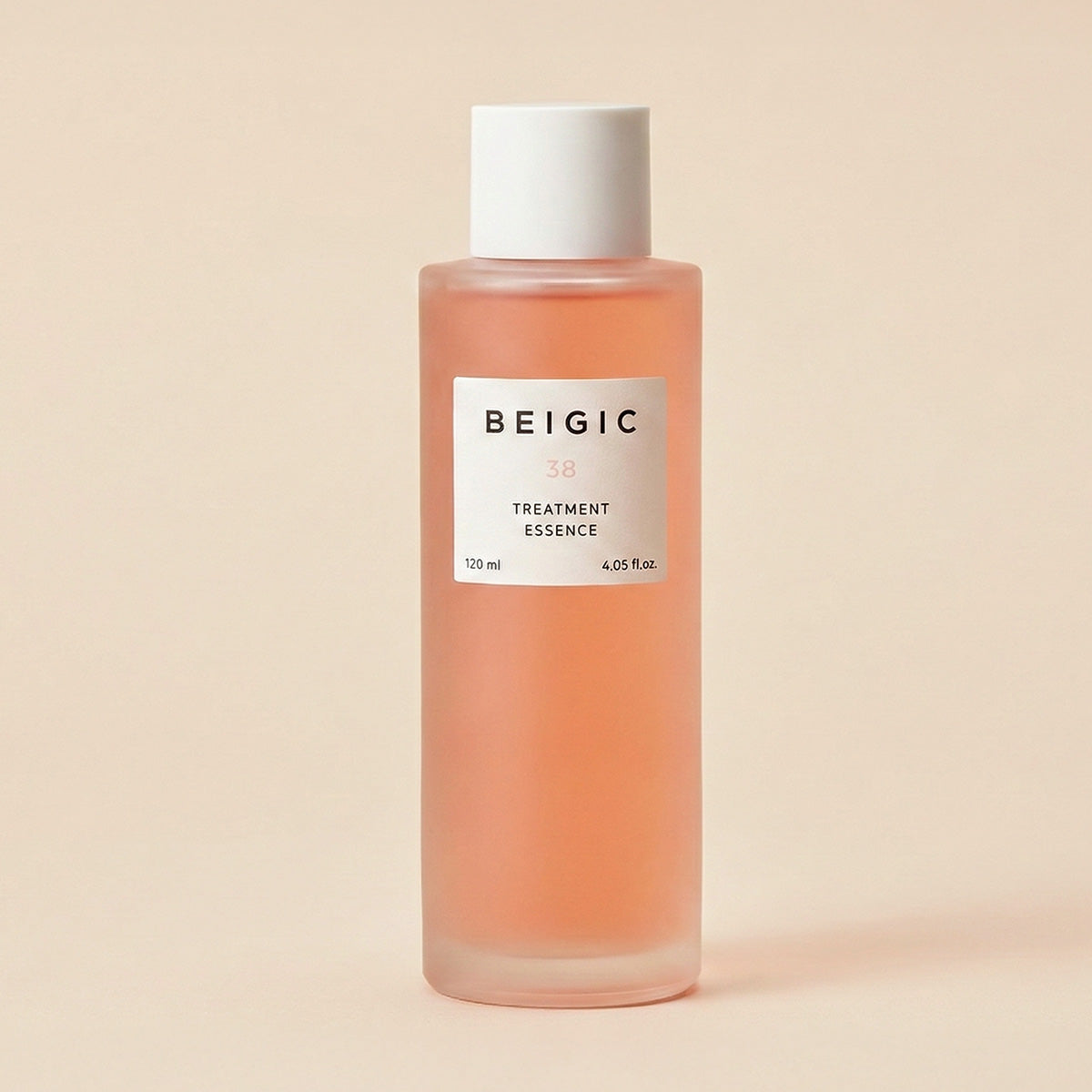
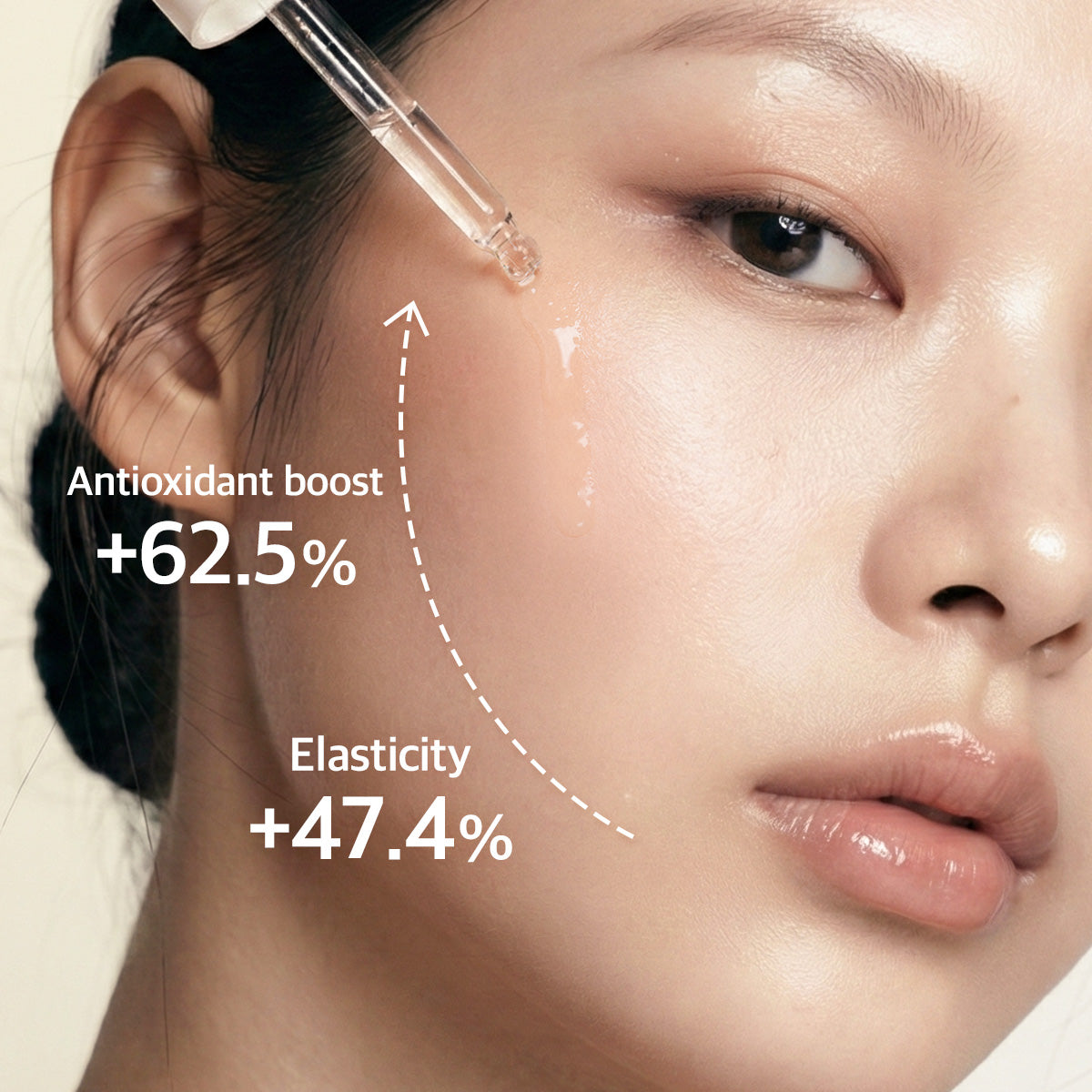
Prioritize gentleness to the skin. To rid the skin of toxins accumulated overnight, a cleanse with Aromatic Face Cleanser helps awaken your skin without stripping the hydrolipidic film, while a few drops of Treatment Essence provide hydration, balance, and a boost of radiance. Morning is also the ideal time for moisturizing or nourishing treatments, which leave your skin soft, supple, and protected for the day ahead.
2. Skin During the Day
Our skin is constantly evolving to face various environmental factors. During the day, it acts as a shield against external aggressors such as weather conditions and pollution. Daytime is when cell regeneration is at its lowest. Shininess may sometimes be observed around noon due to an increase in sebum production.
Our Advice
During the day, protecting your skin from UV rays and environmental stressors is essential. Revitalizing CE Sunscreen provides lightweight hydration and shields against harmful UV and blue light. It also helps prevent photo-aging, leaving your skin radiant and comfortable all day.
3. Skin in the Evening
Throughout the day, our skin accumulates external pollutants that can clog pores and dull the complexion. It is essential to cleanse your face thoroughly to rid the skin of all accumulated impurities, allowing optimal cell renewal. This helps prevent imperfections, enlarged and clogged pores, dull complexion, and accelerated skin aging.
Our Advice
Opt for double cleansing, starting with a gentle makeup remover or oil, followed by a cleansing gel or lotion. Evening is also the ideal time for exfoliation and targeted treatments for blemishes, radiance, and regeneration. Using a Correcting Facial Mask helps gently exfoliate, refine the skin’s texture, and provide deep hydration while supporting overnight restoration.
4. Skin During the Night
Night is a time for cellular renewal and regeneration: the cell division process intensifies to repair damaged cells, and blood circulation accelerates to support cell renewal. It is the moment when our skin is most active in regeneration, provided we give our body the rest it needs and do not miss out on sleep. Indeed, our lifestyle and lack of sleep can hinder the skin's regeneration process at night.
How Does Our Skin Evolve at Night?
As mentioned earlier, the night is a time of regeneration and renewal. New cells replace dead cells that rise to the surface of the epidermis. With fewer external aggressions at night, the skin benefits from a moment of tranquility to allow regeneration mechanisms to take place. The cell division process is at its maximum around 1 a.m. Skin stem cells (cells capable of self-renewal, infinite multiplication, and differentiation into specialized cells) divide into two. Some gradually rise to the surface and eliminate, forming the stratum corneum, while others remain in place to divide again.
Night is also a time when microcirculation activates to provide the energy needed for the cell renewal process (similarly when engaging in physical exercise). Blood circulates more actively in the skin vessels, especially between 11 p.m. and 4 a.m.
Our Advice
Our skin is more permeable at night, making it more receptive to skincare that is easily absorbed. It's an ideal time to apply products rich in regenerating, antioxidant, anti-blemish, and/or anti-aging actives to detoxify, regenerate, and correct our epidermis.
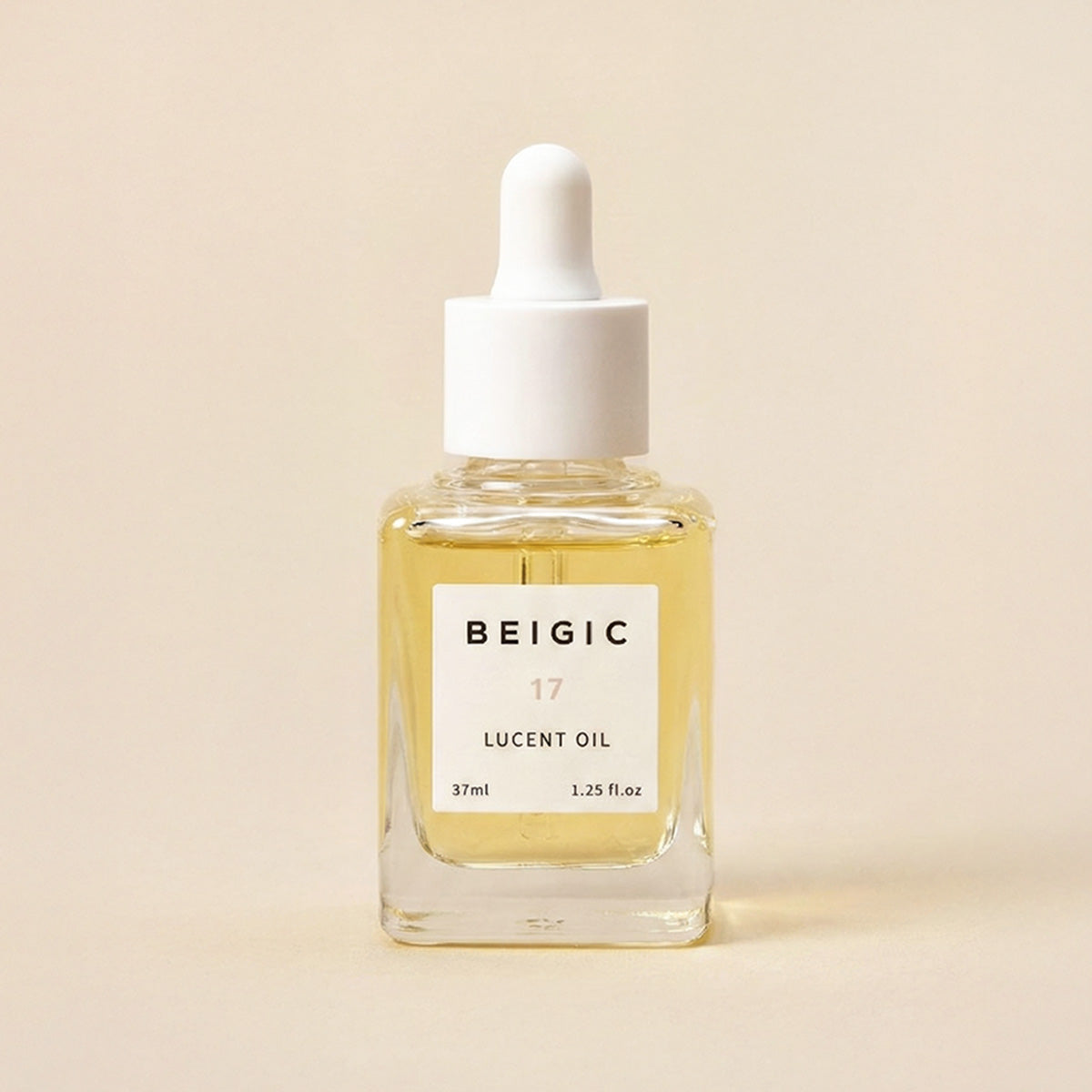
And since nighttime is when the skin absorbs treatments most effectively, you may also enjoy our article “How to Properly Apply Your Facial Oil?” to optimize the application of your oils and enhance the results of your nighttime routine !